



- March 2, 2026
Safe and
Regenerative
Alternatives to
Glyphosate
At Soil Health Academy, our mission is to empower farmers, gardeners, and consumers to work with nature, not against it. We want to focus on solutions—both on the farm and at home—that reduce dependency on chemicals while supporting healthy soils and nutrient-rich food.
Farmers and gardeners are increasingly exploring non glyphosate herbicides and safe alternatives to glyphosate, but the most sustainable solution goes beyond swapping chemicals. Regenerative practices emphasize prevention through healthy ecosystems:
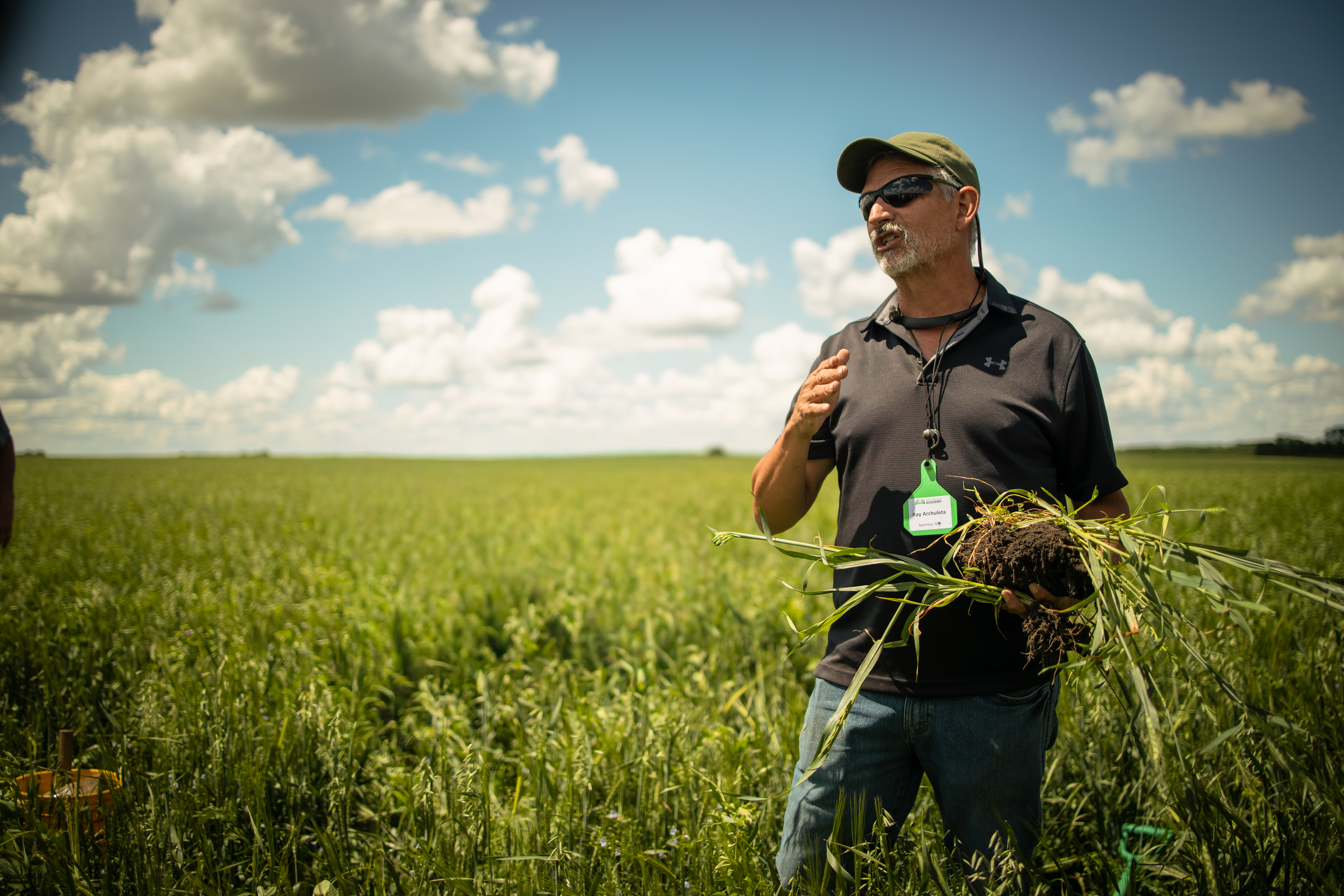
-Cover Crops: Smother weeds, improve soil structure, and support microbial life.
-Crop Rotation: Reduces pest and weed pressure naturally.
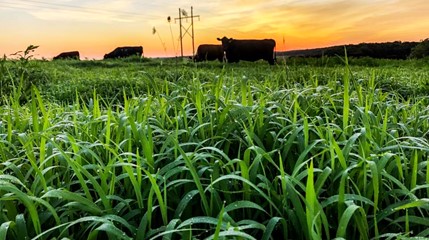
-Adaptive Grazing: Livestock can manage weeds while enriching soil fertility.
-Biologically Active Soil: Healthy soil effectively cycles nutrients, reducing the need for chemical inputs.
By focusing on soil health, farmers can often eliminate or dramatically reduce glyphosate use, benefiting crops, consumers, and the environment.

Testing for Glyphosate
For those concerned about food or soil residues, testing provides clarity.
-Glyphosate test kits are available for home use, though lab tests are more accurate.
-Consumers and producers can use these kits to identify residues in grains, flour, or soil.
-Testing empowers decisions around crop sourcing, organic certification, and soil management.
Detoxing from Glyphosate
For individuals interested in minimizing exposure, consider that the body’s natural detox systems—the liver, kidneys, and gut—play a central role.
Practical strategies to support these natural detox pathways:
-Eat a diverse, fiber-rich diet with fruits, vegetables, and whole grains.
-Choose organic and regenerative foods whenever possible. There are many options for glyphosate-free flour, cereals, oats, honey, and more. Finding regenerative farms to source your food from makes all the difference.
-Drink clean, filtered water and maintain healthy gut microbiome support.
While some online “detox protocols” exist, the safest approach is dietary and lifestyle support rather than extreme interventions.
Making Choices That Protect Both Soil and Health
The glyphosate conversation isn’t just about chemicals in food—it’s about the systems behind our food. By choosing regenerative methods and glyphosate-free products:
-Farmers reduce environmental impact and chemical dependency.
-Consumers access nutrient-dense, cleaner foods.
-Soil biology improves, creating resilient ecosystems that protect crops for generations.
So the question shifts from “How do I avoid glyphosate?” to “How can I support farming systems that naturally minimize chemical use?”
This is our focus at Soil Health Academy. We are striving to help farmers find ways to grow natural, nutritious, regeneratively-grown foods. If you want to support us in this mission, click the button below.
Cultivating Healthy Soil
At Soil Health Academy, we believe education is empowerment. By understanding glyphosate, supporting regenerative agriculture, and making mindful food choices, you can play a role in healthier soil, safer food, and stronger communities.
We invite you to join us for our next academy to learn how you can improve your processes to grow better crops, and make better profits.