



- March 27, 2026
Rotational Grazing and Why Farmers Are Switching
Across the country, more farmers and ranchers are rethinking the way they manage livestock. Rising input costs, degraded pastures, and unpredictable weather patterns are pushing producers to look for systems that are both resilient and profitable.
One approach gaining popularity is rotational grazing. It’s practical, nature-based, and improves pasture health while supporting better livestock performance.
So, what is rotational grazing, and why are so many producers making the switch?
What Is Rotational Grazing?
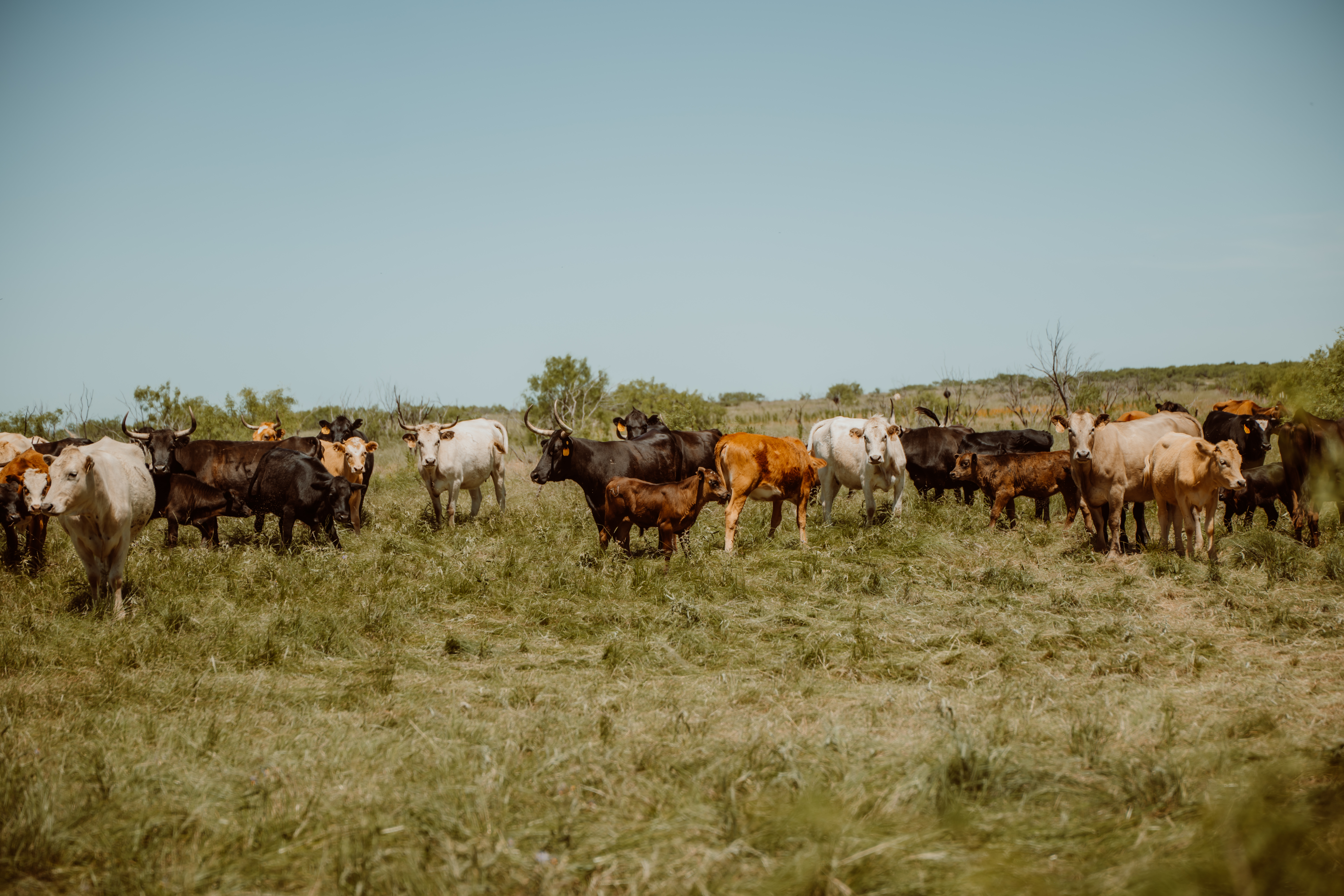
At its core, rotational grazing is the practice of moving livestock between smaller sections of pasture over time. Whether it’s horses, sheep, goats, or cattle grazing, the principles still apply!
Instead of allowing animals to graze one large area continuously, land is divided into paddocks. Livestock are moved frequently, giving previously grazed areas time to rest and recover.
This approach mimics the natural movement of grazing herds, which historically grazed an area intensively and then moved on, allowing plants to regrow before being grazed again. (Cummins)
What about Adaptive Grazing?
While rotational grazing is a major step forward from continuous grazing, many regenerative farmers are taking it even further through what Soil Health Academy calls adaptive grazing. Rather than following a fixed rotation schedule, adaptive grazing is based on observing real-time conditions—plant recovery, soil moisture, and weather patterns—and adjusting livestock movement accordingly. This shift moves grazing from a rigid system to a responsive management approach that prioritizes ecosystem function over routine.
Adaptive grazing builds on the same foundation as rotational grazing, but has more flexibility and intention. Instead of asking “How many days should livestock stay here?”, adaptive graziers ask “Has this land fully recovered?” This distinction allows producers to better support soil biology, increase plant diversity, and improve water infiltration over time. While rotational grazing helps prevent overgrazing, adaptive grazing actively works to regenerate the land.
Regenerative Grazing = Healthier Pastures
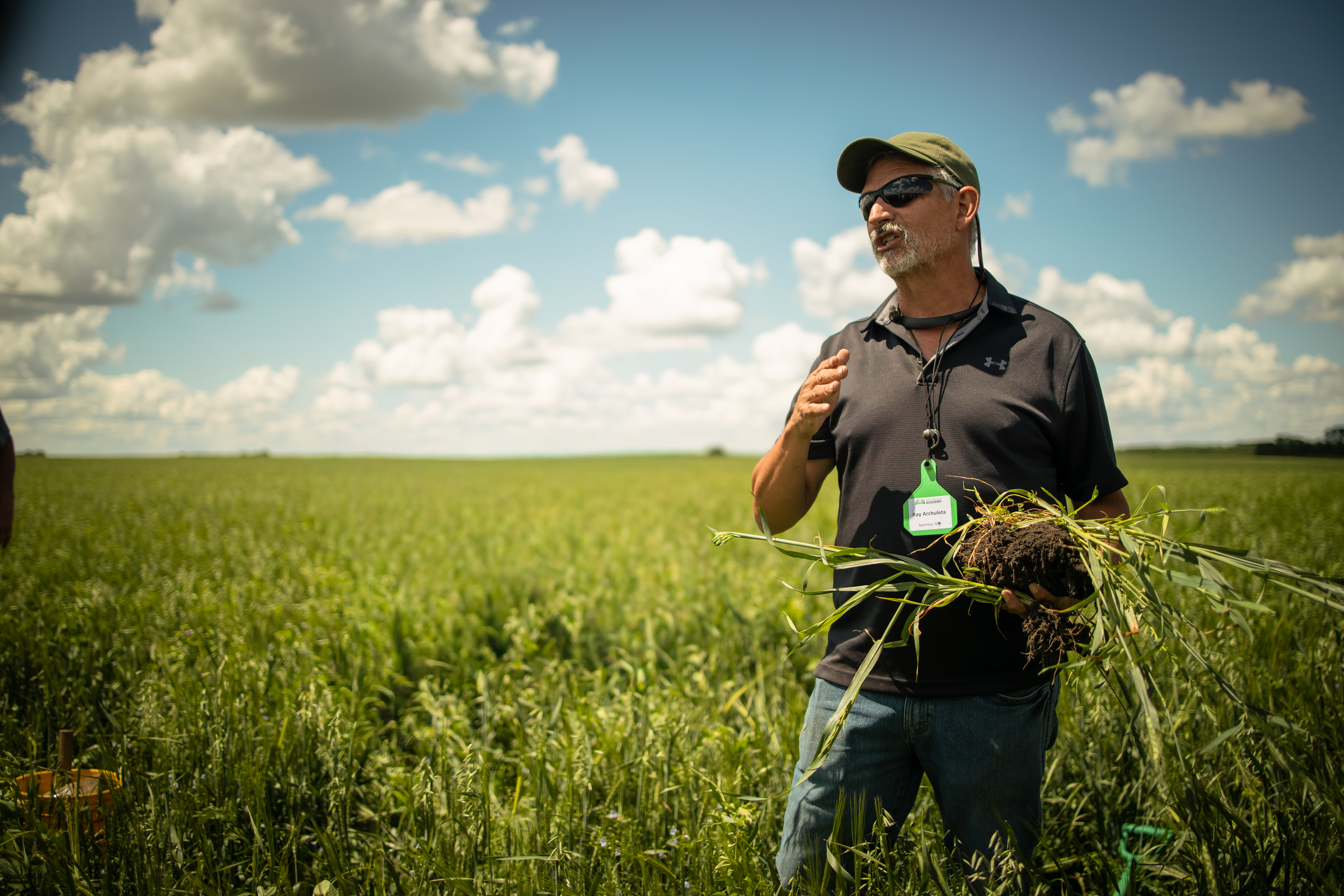
One of the biggest shifts farmers notice with regenerative grazing is what happens beneath the surface.
When plants are given adequate recovery time:
– Root systems grow deeper and stronger
– Soil organic matter begins to increase
– Water infiltration improves
– Soil biology becomes more active
Over time, these changes lead to more productive and resilient pastures that don’t need additional fertilizer or inputs (Bertrand, Roberts, and Walker).

Soil Health Academy educates farmers on how to apply these regenerative practices to their own land. We are hosting an academy that will dive into adaptive grazing systems on August 11-13, 2026. This is a fully immersive, hands on learning experience at the Voss Farms in Minnesota. We will empower you with the knowledge and experience you need to apply these principles to your own land. To learn more, visit “Adaptive Grazing Systems for Land and Livestock Resilience.”
Better Forage, Better Livestock
Rotational grazing and adaptive grazing doesn’t just benefit the soil. It directly impacts animal health and performance as well!
With proper management:
– Livestock graze more evenly and consume higher-quality forage
– Pastures maintain a more consistent growth cycle
– Animals have access to fresh forage more frequently
This often results in improved weight gain, better herd health, and more efficient use of available forage.
Whether it’s cattle grazing on open pasture or horse grazing in smaller operations, the principle remains the same: healthier land produces healthier animals.
More Efficient Use of Every Acre
Continuous grazing often leads to overgrazed areas and underutilized sections of pasture. Some plants are grazed repeatedly, while others are left untouched.
Adaptive grazing solves this by controlling where and when animals graze.
The result:
– More uniform pasture utilization
– Less waste and trampling
– Increased forage production across the entire field
In many cases, farmers find they can support more livestock on the same acreage simply by managing grazing more intentionally.
Built-In Drought Resilience
Weather variability is becoming a bigger concern for producers everywhere. One of the lesser-known advantages of regenerative grazing is its ability to help land better withstand dry conditions. (United States Department of Agriculture)
Healthier soils:
– Hold more moisture
– Support longer-lasting forage during dry periods
– Reduce runoff when rain does come
This creates a buffer that helps stabilize production even when conditions aren’t ideal.

Lower Input Costs Over Time
One of the main reasons farmers are switching to rotational grazing is simple: it can reduce expenses (Bertrand, Roberts, and Walker).
As pasture health improves, many operations see:
– Reduced need for supplemental feed
– Less reliance on fertilizers
– Fewer inputs overall
Like other regenerative practices, the system becomes more self-sustaining over time. It’s a great way to increase efficiency without increasing spending.
Rotational Grazing and Adaptive Grazing: A Practical Shift
For many, regenerative grazing solves real problems on the land. By focusing on recovery periods rather than fixed rotations, producers can more effectively rebuild soil structure, increase organic matter, and create more resilient pastures. This approach aligns closely with the broader goals of regenerative farming: improving ecosystem health while also enhancing long-term profitability.
The bottom line is this: adaptive grazing (or rotational grazing) offers a way to improve pasture productivity, strengthen soil health, support better livestock outcomes, and increase profitability without adding cost (Rotational Grazing Small Scale Solutions for your Farm, 1).
Regenerative Grazing with Soil Health Academy
Every operation is different, and rotational grazing isn’t a one-size-fits-all system. But the principles are adaptable. Anyone can find regenerative solutions that work with nature to benefit their land. If you want more specifics on how to create your own rotational grazing system, read this article. You can also contact Soil Health Academy to speak with a regenerative farming expert.
For those willing to observe, adjust, and stay consistent, the results can be significant. That’s why many farmers are making the switch.
If you want to learn about the regenerative systems that can benefit you, contact us today or learn about our upcoming academies!

Sources:
Bertrand, Savannah, Anna Sophia Roberts, and Emma Walker. The Climate and Economic Benefits of Rotational Livestock Grazing. Environmental and Energy Study Institute, 3 May 2022. https://www.eesi.org/articles/view/the-climate-and-economic-benefits-of-rotational-livestock-grazing
Booher, Matt, and Bobby Clark. Designing a Flexible and Efficient Rotational Grazing System. SPES‑707P, Virginia Cooperative Extension, Virginia Tech, 5 Aug. 2025. https://www.pubs.ext.vt.edu/SPES/spes-707/spes-707.html
Cummins, Marilyn. “Regenerative Grazing: Not As Time‑Intensive As You Think.” Noble Research Institute, 3 Mar. 2021, https://www.noble.org/regenerative-agriculture/regenerative-grazing-not-as-time-intensive-as-you-think/
Natural Resources Conservation Service. Rotational Grazing: Small Scale Solution for Your Farm. United States Department of Agriculture, 2009. https://www.nrcs.usda.gov/sites/default/files/2023-01/Rotational%20Grazing-%20Small%20Scale%20Solution%20for%20your%20Farm.pdf
United States Department of Agriculture, Rotational Grazing for Climate Resilience. USDA Climate Hubs. https://www.climatehubs.usda.gov/hubs/international/topic/rotational-grazing-climate-resilience
Improving Drought Resilience on Farms Using Healthy Grazing Practices - Soil Health Academy
May 20, 2026[…] Learning how to prevent overgrazing is one of the most important parts of a drought resilience plan. […]