



As a partner in Understanding Ag, part of my role is to stay on top of agricultural trends and innovations. That means keeping an eye on what’s new in food and farming — and understanding where the industry and investors are focusing their attention.
Recently, I joined a panel discussion titled “The Future of Food”, attended by agricultural leaders, investors, and policymakers. The conversation was lively, but several common viewpoints stood out:
We must produce more food on fewer acres to feed a growing population.
Modern agriculture is accelerating climate change.
Cattle and other ruminants are harmful to the planet.
Plant-based meats are the future of food.
These ideas may sound compelling — but they’re missing the full picture. Here’s why.
We Already Produce Enough Food
Today, global agriculture produces enough food to feed more than 10 billion people, even though our population is only around 7.8 billion. The issue isn’t food production — it’s food distribution and nutrient quality.
Small farms (under 10 acres) produce a large portion of the world’s food, much of which goes unreported in official statistics. Rather than producing more, we should focus on producing better — nutrient-dense food grown in healthy soil.
Agriculture Isn’t the Problem — It’s How We Farm
Yes, some forms of industrial agriculture contribute to climate change. Heavy tillage, chemical overuse, and monoculture systems degrade soil and reduce its ability to store carbon.
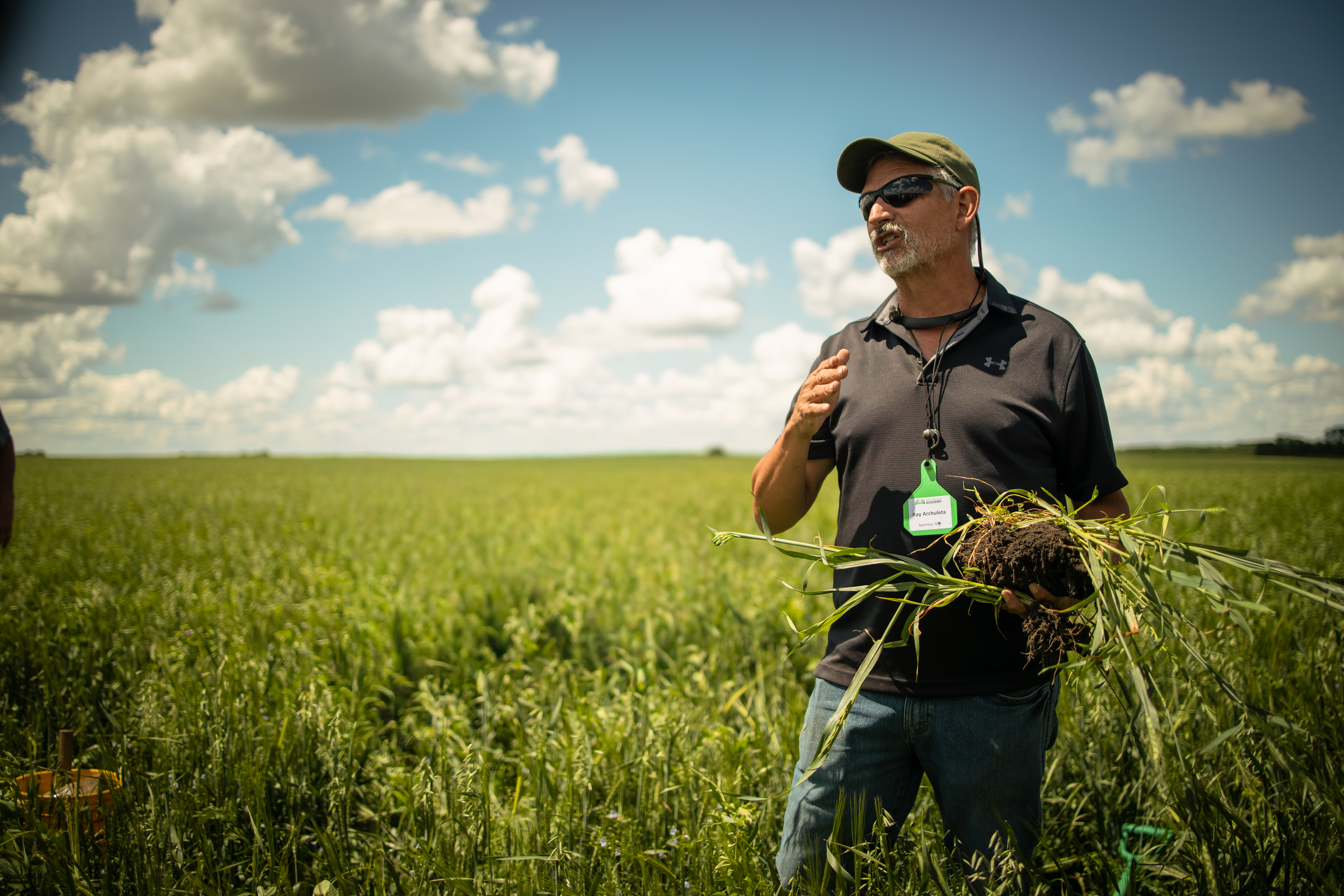
But regenerative farms and ranches across the United States are proving there’s a better way. By embracing soil health principles, increasing biodiversity, and integrating livestock, they’re restoring ecosystems and pulling carbon out of the atmosphere — where it belongs, in the soil.
It’s Not the Cow — It’s the How
Ruminant animals aren’t the problem; the way we manage them is. Removing grazing animals from the land has led to widespread ecological decline.
Before European settlement, North America supported tens of millions of bison, elk, deer, and pronghorn — roughly the same total number of ruminants we have today. Those animals didn’t cause climate change. They were essential to maintaining healthy grasslands.
When managed regeneratively, cattle and other livestock mimic these natural systems — cycling nutrients, building topsoil, and strengthening the water cycle.
Real Nutrition Comes From Living Soil
Eliminating meat and dairy from our diets ignores a critical link: soil health determines food health.
Research by Dr. Stephan Van Vliet, Dr. Fred Provenza, and Dr. Scott Kronberg has shown that the phytonutrients in food are directly tied to soil biology. Animals grazing on diverse, living pastures produce protein richer in these beneficial compounds.
In other words, grazing animals are the original “plant-based” protein.
The Real Future of Food
No one can predict the exact future of agriculture, but one truth is clear:
The future of food must align with nature’s principles.
Nature is self-organizing, self-regulating, and self-healing. When we work with her instead of against her, we restore ecosystem balance — and ensure a healthier planet for generations to come.
As Friedrich Nietzsche once said, “Sometimes people don’t want to hear the truth because they don’t want their illusions destroyed.”
At Soil Health Academy, we believe the truth about food, farming, and the environment is simple:
The future of food lies in nature — and regenerative agriculture is how we get there.
Join the Movement for Regenerative Agriculture
At Soil Health Academy, we help farmers and ranchers across the United States learn, apply, and share regenerative principles that heal the land and strengthen communities.