



Weed Control the Regenerative Way: Building Healthy Soil to Beat Weeds Naturally
In regenerative systems, weed pressure often reflects underlying soil conditions. Rather than reaching for synthetic herbicides, regenerative and organic farmers and gardeners ask a different question: How can we strengthen the soil and plant communities so desirable crops thrive over weeds?
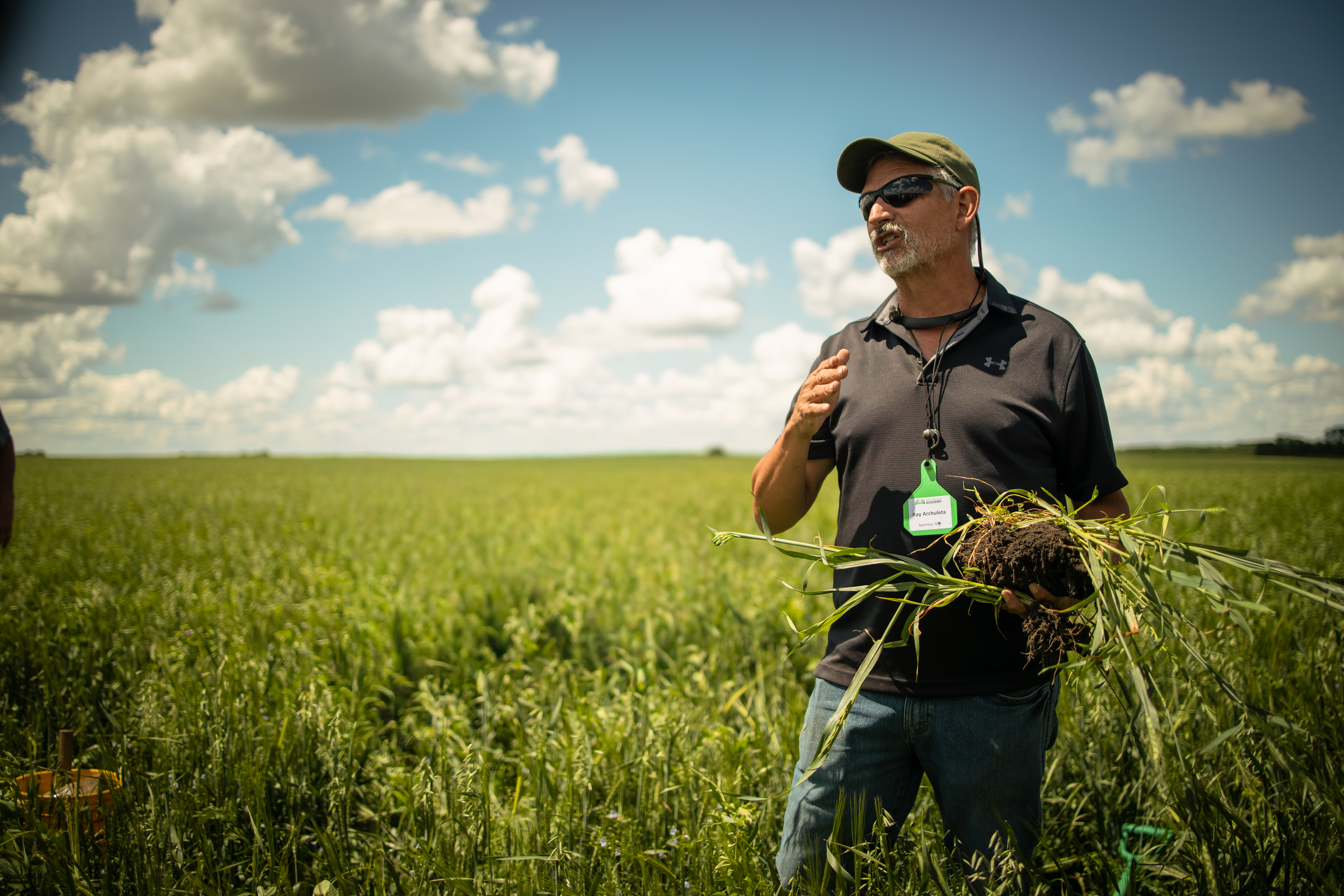
At Soil Health Academy, soil health isn’t an add‑on — it’s the foundation of everything we teach. Healthy, biologically active soil supports robust plant growth, which naturally suppresses weeds by out‑competing them for light, nutrients, and space.
Controlling Weeds Organically

In organic and regenerative systems, weed management is all about balancing ecosystems. Conventional weed control often relies on synthetic chemicals that disrupt soil biology. Regenerative approaches focus instead on ecologically sound, environmentally friendly weed control by enhancing soil life and plant diversity.
Weeds are opportunists; they exploit gaps in plant cover and weak soil ecosystems. By shifting our focus to soil health, we reduce those opportunities and nurture resilient plant communities.
Natural Weed Control Methods That Work
1. Keep the Soil Covered
Bare soil is weed heaven. One of the simplest natural weed prevention tactics is continuous soil cover. By establishing cover crops or mulches between cash crops, you physically block weed seedlings and reduce light reaching weed seeds. Cover crops also feed soil microbes and enhance structure. These outcomes help strong crops outpace weeds.
2. Build Plant Diversity
Monocultures create niches where certain weeds can dominate. Diverse plantings — including cover crop mixes — make it harder for any one weed species to take hold. This ecologically driven weed control strengthens resilience by increasing competition and supporting beneficial organisms that naturally suppress weed populations.

3. Avoid Disturbing the Soil
Frequent tillage brings buried weed seeds to the surface and disrupts soil biology. Regenerative farming emphasizes minimal disturbance, including no‑till or reduced‑till approaches that protect fungal networks and microbial life that help crops compete with weeds.
4. Use Mulch and Organic Barriers
Thick layers of organic mulch that includes straw, wood chips, or compost block light and suppress weed germination without chemicals. As mulch breaks down, it feeds soil biology, trapping moisture and building organic matter that supports healthy plant growth. This is a cornerstone of organic lawn weed control and natural weed control methods that favor soil health over inputs.
5. Observe and Time Your Interventions
In regenerative systems, observation is key. Learning when weeds germinate and what conditions favor them allows targeted weeding or strategic cover cropping, reducing labor and maintaining soil integrity. In many cases, timing cover crop termination or cash crop planting to interrupt weed life cycles can dramatically reduce their impact.
Natural Weed Prevention: Keeping Weeds at Bay Year-Round
Organic farmers and regenerative practitioners understand weed control involves designing a system that prevents weeds from becoming a problem in the first place. When soil biology is active, plant roots are diverse and present year‑round, and the soil is always covered, weeds have fewer opportunities to invade.
This approach to controlling weeds organically aligns with the broader regenerative goal of building resilience for your farm, your community, and the planet.

Controlling Weeds: Natural Strategies for Thriving Farms and Gardens
Weed pressure provides valuable insight into the condition of your soil. By focusing on soil biology, cover, diversity, and minimal disturbance, you transform weed control from reactive to proactive. It can help you better nurture soil health, strengthen crops, and balance ecosystems. Regenerative, organic systems show that natural weed control is 100% possible. It all starts with a strategy that regenerates land while reducing labor, cost, and environmental impact.