



- August 5, 2026
Does Eating Organic Really Make a Difference in Your Health?
As more people become interested in healthier lifestyles, one question continues to come up: Does eating organic really make a difference? While opinions vary, research continues to show that choosing organically grown food can offer several benefits—not only for your personal health but also for the environment and the long-term sustainability of agriculture. At Soil Health Academy, we believe the conversation should go beyond simply choosing organic products. Understanding how food is grown, how soil is managed, and how farming practices affect the nutritional value of crops is just as important as the label found on the package. At Soil Health Academy, we believe that healthy soils create healthier farms, healthier ecosystems, and healthier communities. Organic farming can certainly play a role in that process, but understanding how food is produced offers an even bigger picture.
Does Eating Organic Food Make a Difference in Nutrition?
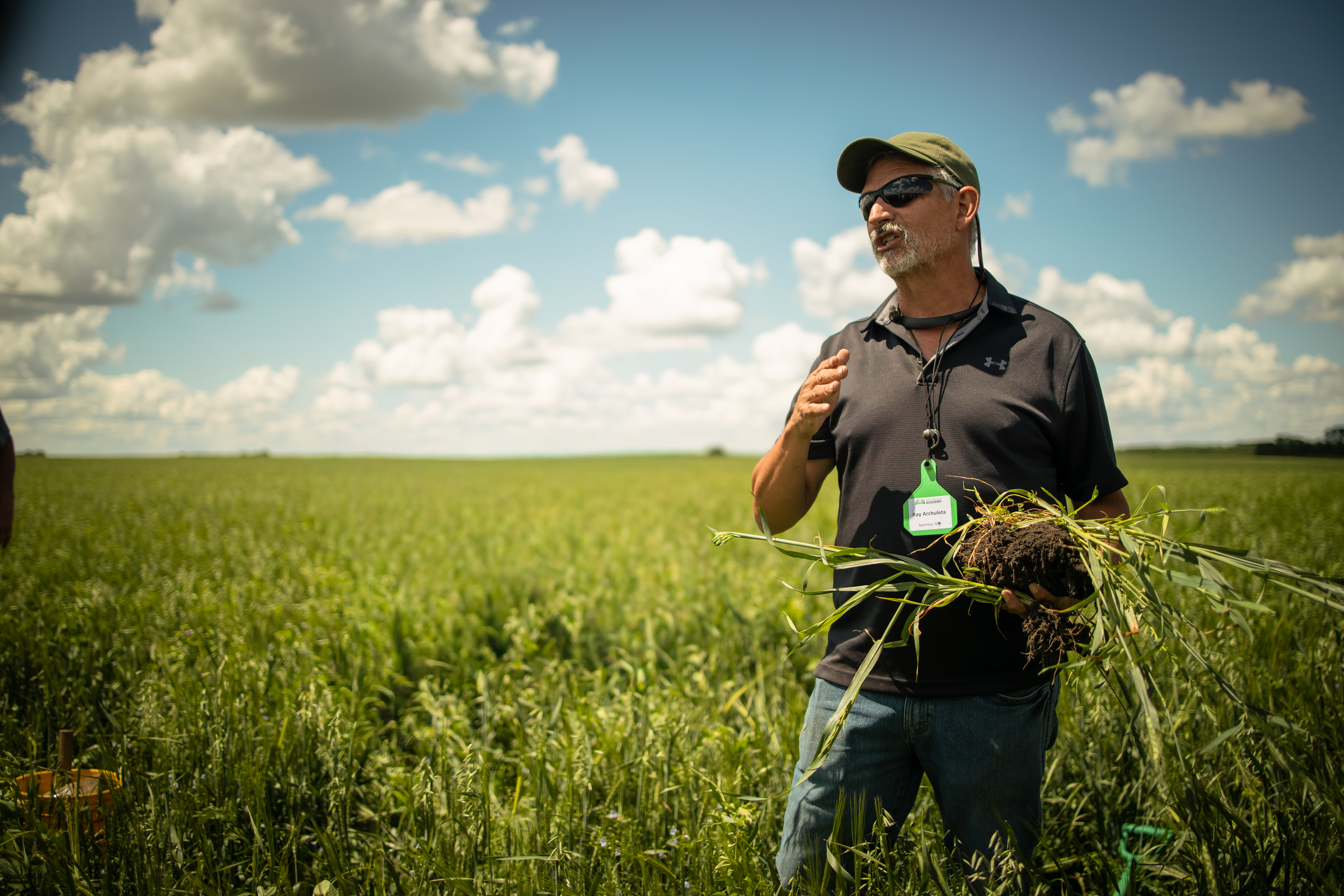
Many people wonder, does eating organic food make a difference nutritionally? The answer depends on how the food is produced. (Healthy Soil goes a long way) Healthy soils contain billions of beneficial microorganisms that help plants absorb essential minerals and nutrients. Farmers who focus on building soil biology through regenerative practices often produce crops with stronger nutrient profiles, regardless of whether they carry an official organic certification.
Practices such as:
Cover cropping
Rotational grazing
Reduced tillage
Compost application
Diverse crop rotations
all of these improve soil health and can contribute to healthier plants capable of producing more nutritious food. This is one reason why we at Soil Health Academy emphasize regenerative agriculture alongside organic principles.
The Benefits of Eating Organic Foods
There are numerous benefits of eating organic foods that extend beyond personal nutrition.
Reduced Chemical Exposure
Organic farming significantly limits synthetic pesticide use, helping consumers reduce exposure to chemical residues. (Less chemical exposure)
Better Environmental Stewardship
Organic production often encourages healthier ecosystems by supporting pollinators, wildlife, cleaner waterways, and improved biodiversity.
Healthier Soil
Organic farming frequently incorporates practices that build soil organic matter, improve water infiltration, and reduce erosion. Healthy soil also captures atmospheric carbon, making agriculture part of the climate solution instead of the problem.
Improved Animal Welfare
Organic livestock standards generally require animals to have outdoor access, organic feed, and reduced routine antibiotic use. (Why is Organic better for livestock?)

The Benefits of Eating Organic Foods Extend Beyond Personal Health
The benefits of eating organic foods reach much further than the individual consumer.
Organic and regenerative farming practices often contribute to:
Cleaner Water
Healthy soils absorb rainfall more effectively, reducing runoff and helping filter water before it reaches rivers and streams.
Improved Wildlife Habitat
Reducing synthetic chemical use allows beneficial insects, birds, pollinators, and soil organisms to thrive.
Greater Carbon Storage
Healthy soils naturally store carbon, helping reduce greenhouse gases while improving soil fertility.
More Resilient Farms
Soils rich in organic matter retain moisture during droughts and drain excess water more effectively during heavy rainfall, making farms better prepared for unpredictable weather. (Organic farming benefits)
The Pros of Eating Organic Include Supporting Better Farming
When considering the pros of eating organic, many consumers focus only on nutrition. Equally important is the impact those purchases have on agriculture itself. Every dollar spent on food supports a farming system. Choosing products from farms that prioritize soil health encourages agricultural practices that protect natural resources while improving food production for future generations. Supporting regenerative and organic farmers also helps promote innovation in sustainable agriculture.
(Supporting local farmers in your community)
Organic Food Is Only Part of a Healthy Lifestyle
While organic foods offer many advantages, they are only one piece of the puzzle.
Healthy living also includes:
- Eating a wide variety of colorful fruits and vegetables
- Choosing whole foods over heavily processed options
- Staying physically active
- Drinking enough water
- Getting quality sleep
- Managing stress
- Supporting local farmers whenever possible
Together, these habits contribute to long-term health far more than any single dietary choice.
Healthy Soil Is the Future of Healthy Food
The question “Does eating organic really make a difference?” leads to a much bigger conversation.
Organic farming can reduce chemical exposure and encourage environmentally responsible agriculture. But perhaps the most important lesson is that healthy food begins long before it reaches your kitchen.
When farmers invest in rebuilding soil biology, increasing biodiversity, and restoring ecosystems through regenerative agriculture, everyone benefits—from the microbes beneath our feet to the families gathered around the dinner table. At Soil Health Academy, we believe improving soil health is one of the most effective ways to strengthen agriculture, protect natural resources, and produce food that supports healthier communities for generations to come.
Learn More About Building Healthy Soil
Interested in learning how healthy soil supports healthier food? Whether you’re a farmer looking to improve your operation or a consumer who wants to better understand where your food comes from, Soil Health Academy provides education rooted in practical, science-based regenerative agriculture. Explore Soil Health Academy’s educational resources and training programs to discover how regenerative agriculture helps farmers improve soil biology, increase resilience, and grow food in ways that benefit future generations.
How to Eat Healthier Without Spending a Fortune: 8 Practical Tips - Soil Health Academy
September 25, 2026[…] The goal isn’t perfection. It’s becoming more intentional about the food you eat, the money you spend, and the agricultural systems you support. (Why you should eat organic?) […]