



- August 17, 2026
Best Cover Crops for Small Farms and Gardens: Improve Soil Health Naturally
Healthy soil is the foundation of a productive farm or garden. One of the simplest ways to protect and improve soil between growing seasons is by planting cover crops. Cover crops can help reduce erosion, improve soil structure, increase organic matter, suppress weeds, and support beneficial insects.
For small farms and home gardens, choosing the right cover crop can make a significant difference in long-term soil health. The best cover crops depend on your climate, soil type, growing season, and goals. Whether you are looking for the best cover crops to improve soil, protect your garden during winter, or provide food for bees and pollinators, there are several excellent options to consider.
What Are Cover Crops?
Cover crops are plants grown primarily to benefit the soil rather than for harvest as a food or cash crop. They are often planted between growing seasons or in areas that would otherwise remain bare.
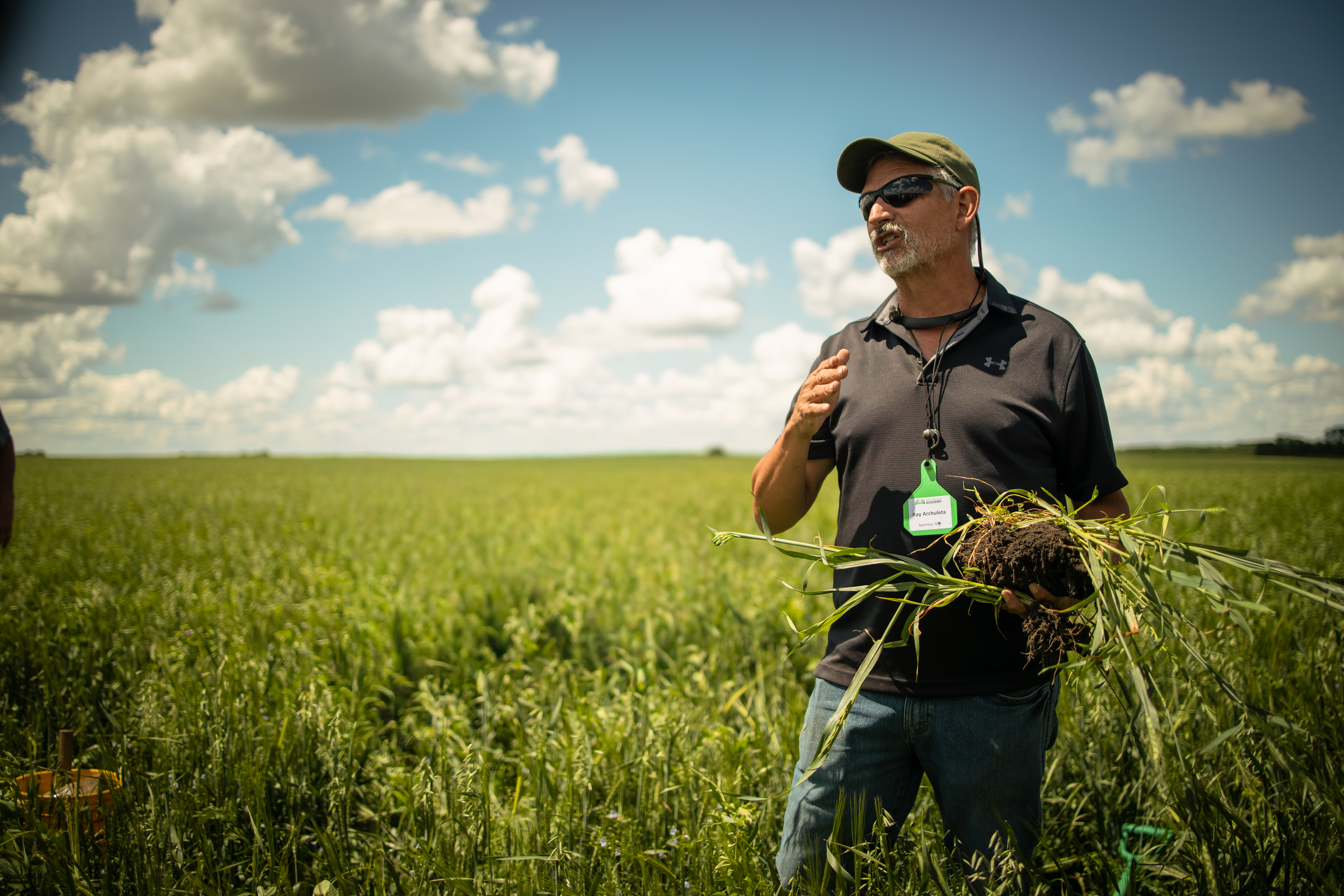
Unlike leaving soil exposed, growing a cover crop keeps living roots in the ground. These roots interact with soil organisms, help hold soil together, and can contribute organic matter when the plants are terminated and returned to the soil. Common cover crops include grasses such as cereal rye and oats, legumes such as clover and hairy vetch, and broadleaf plants such as buckwheat and radishes.
Why Use Cover Crops on a Small Farm or Garden?
Cover crops can provide several important benefits:
Reduce soil erosion caused by wind and water (Helps with Soil Erosion)
Improve soil structure and aggregation (Soil Strength improved)
Add organic matter to the soil
Suppress weeds
Increase biological activity
Help retain soil moisture
Capture and recycle nutrients
Support beneficial insects and pollinators
Provide habitat and forage for bees
Help protect soil during the winter
For growers practicing regenerative or sustainable agriculture, cover crops can also be an important part of building healthier, more resilient soil over time.
Best Cover Crops to Improve Soil
If your primary goal is improving soil health, consider cover crops that produce substantial biomass, develop strong root systems, or contribute nitrogen.
1. Cereal Rye
Cereal rye is one of the most versatile cover crops available. It grows well in cool conditions and can provide excellent ground cover during the winter.
Its extensive root system helps protect soil from erosion while the above-ground growth produces substantial organic material. Cereal rye is particularly useful for farmers who want strong winter soil protection and weed suppression. (Why cereal rye is a great cover crop?)
2. Hairy Vetch
Hairy vetch is a legume that can help add nitrogen to the soil through its relationship with nitrogen-fixing bacteria.
It can be especially useful when incorporated into a cover crop mixture with a grass such as cereal rye. The rye provides structural support and biomass, while hairy vetch contributes nitrogen.
3. Clover
Clover is another excellent choice for improving soil. Different varieties can work in different conditions, making clover a flexible option for small farms and gardens.
Clover can help improve soil fertility, protect the soil surface, and provide valuable forage for pollinators.
4. Buckwheat
Buckwheat is a fast-growing cover crop that can quickly establish itself during warm weather. It is particularly useful when growers have a short window between crops.
Buckwheat can help suppress weeds, add organic matter, and provide abundant flowers for bees and other pollinators.

Best Cover Crops for Gardens
Cover crops aren’t just for large agricultural operations. Home gardeners can use them to improve the soil between vegetable-growing seasons.
The best cover crops for gardens are generally plants that are easy to establish and terminate.
Buckwheat is a popular warm-season option because it grows quickly. Oats can work well for fall planting, while clover can provide both soil and pollinator benefits.
For smaller garden spaces, growers should consider how the cover crop will be removed before planting the next vegetable crop. Choosing a manageable species can make the transition between cover cropping and food production much easier.
Best Cover Crops for Winter
Winter can leave agricultural soil exposed for months. Planting a winter cover crop can help protect the ground during this period.
Some of the best cover crops for winter include:
Cereal rye
Winter wheat
Hairy vetch
Crimson clover
Winter peas (Why they are a good choice)
Cereal rye is a popular choice because it can tolerate cold temperatures and provide substantial ground cover.
Winter cover crops can help reduce erosion, capture nutrients, and maintain living roots in the soil during a period when many fields would otherwise remain bare.
Why Cover Crop Diversity Matters
Using multiple plant species can create a more diverse cover crop system. Different plants have different root structures, growth patterns, nutrient requirements, and relationships with soil microorganisms. Combining species can therefore provide a broader range of benefits than relying on a single plant. For example, a mixture of cereal rye and hairy vetch combines a grass that produces biomass and protects soil with a legume that can fix nitrogen. Other mixtures can include oats, peas, clover, radishes, or other species depending on the season and goals.
However, diversity should be intentional. A complicated mixture isn’t necessarily better if the plants are poorly matched to your climate or difficult to terminate. (Why is it important to have crop diversity?)
When Should You Plant Cover Crops?
The ideal planting time depends on the species. Cool-season cover crops such as cereal rye, oats, winter wheat, clover, and hairy vetch are often planted in late summer or fall. Warm-season cover crops such as buckwheat and sorghum-sudangrass generally perform better during warmer weather. Planting at the appropriate time allows the cover crop to establish a strong root system before unfavorable weather arrives. Local growing conditions, frost dates, rainfall, and the timing of your next crop should all be considered when developing a cover crop schedule. (Things to consider before you begin)

Cover Crops and Regenerative Agriculture
Cover crops are also an important tool in regenerative agriculture because they help keep living roots in the soil and reduce the amount of time soil remains exposed.
When combined with other soil-health practices such as reduced tillage, crop rotation, managed grazing, compost application, and maintaining plant diversity, cover crops can become part of a larger strategy for building resilient agricultural systems.
Healthy soil doesn’t develop overnight. It is built through consistent management and attention to the biological processes taking place beneath the surface. (Why is it important to maintain healthy soil?)
Choosing the Best Cover Crop for Your Land
The best cover crops are not necessarily the most popular ones. They are the plants that solve the problems present on your farm or garden.
If you need winter protection, cereal rye may be a strong choice. If your primary goal is nitrogen, consider clover, hairy vetch, or field peas. For pollinators, buckwheat and flowering clovers can provide valuable forage. If you’re dealing with compacted clay soil, deep-rooted species such as radishes may be worth considering.
The key is to start with your goals and then select a cover crop that fits your climate, soil, crop rotation, and management system.
Growing Better Soil Starts With the Ground Beneath Your Crops
Small farms and gardens don’t need complicated systems to begin improving soil health. A well-planned cover crop can protect the soil, increase organic matter, support beneficial insects, and create better conditions for future crops.
By understanding the differences between the best cover crops for winter, sandy soil, clay soil, gardens, and bees, growers can make more informed decisions about what to plant and when.
Healthy soil is a long-term investment. With the right cover crops and consistent management, each growing season can become another opportunity to build stronger, more productive soil.
