



- February 10, 2026
Homesteading for Soil Health: 4 Practical Paths to Regeneration
When most people talk about homesteading they mention self-sufficiency. But that’s just the beginning. Homesteading is a chance to steward the land with intention, build resilience into your systems, and grow food that feeds both body and soil. At Soil Health Academy, we believe regeneration starts under your feet. Below are four practical ways homesteaders can foster soil health while strengthening their homestead’s productivity and long-term profitability.
1. Work With Nature, Not Against It
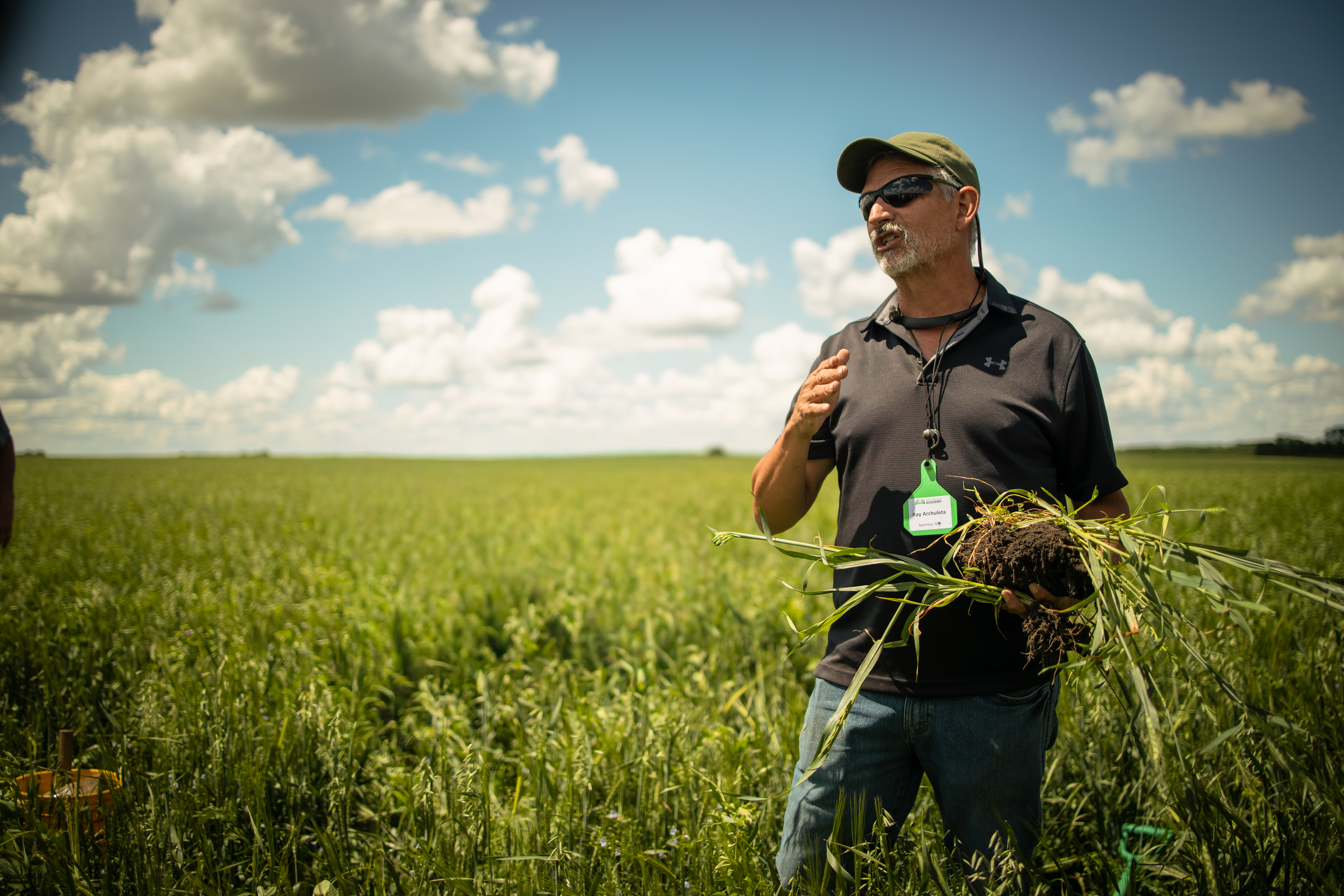
Every action on your homestead should support life in the soil. That means minimizing disturbance and letting soil biology thrive. Practices like no-till, cover cropping, and maintaining living roots year-round protect soil structure, feed microbial communities, and build organic matter. These are nature’s principles in action, and they lay the foundation for resilient soils and abundant gardens.
What to try today:
– Grow cover crops after your main crop is harvested.
– Avoid turning soil unnecessarily. Keep roots in the ground as long as possible.
2. Stop Buying What Your Soil Can Provide
A regenerative approach focuses on building nutrient cycles on your land instead of purchasing synthetic fertilizers, herbicides, and pesticides. By nurturing soil biology through compost, diverse plantings, and adaptive grazing (if you have livestock), you start to produce fertility instead of buying it.
What to try today:
– Make and apply compost from kitchen scraps and yard waste.
– Incorporate livestock or poultry to recycle nutrients back into your soil.
3. Boost Water Resilience Through Soil Health
Water is life. Unpredictable weather can make water management a real challenge, though. Healthy soil with strong structure and high organic matter holds moisture better, improving drought resilience and reducing runoff during heavy rains. These qualities are essential on a homestead, where water use and retention can directly impact crop yields and pasture health.
What to try today:
– Mulch heavily to conserve moisture and stabilize soil temperature.
– Plant deep-rooted species to improve infiltration and break up compaction.
4. Learn From the Land and Your Community
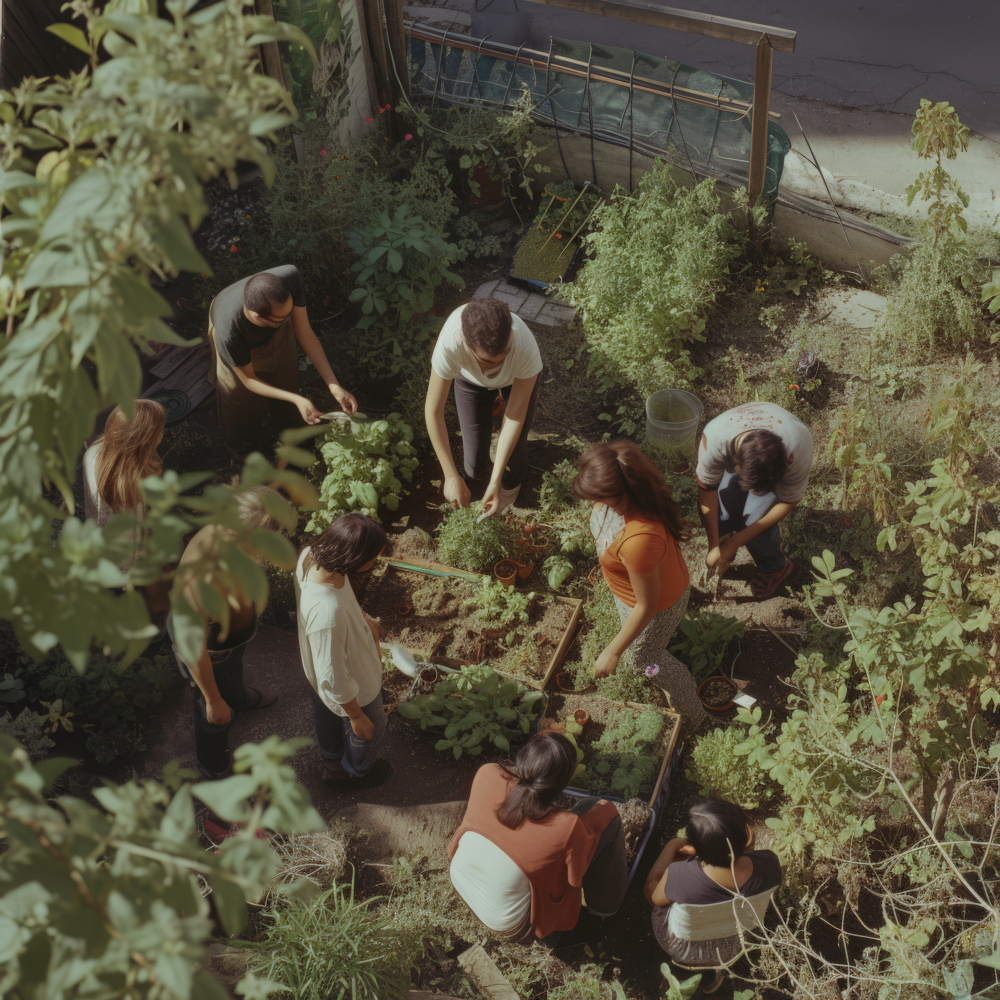
One thing Soil Health Academy champions is peer-to-peer learning. Whether you learn from neighbors, online workshops, or hands-on courses, homesteading is a journey that’s best when you share it with others around you. Real success stories aren’t about perfect gardens—they’re about what worked, what didn’t, and how the soil responded.
What to try today:
– Join a local soil health group or regenerative gardening class.
– Document and share your soil observations season by season.
Regenerative Living
Homesteading for soil health is a long-term commitment, not a quick fix. But when you keep soil biology in the front of your mind, you start to see more life in your soil, more resilience in your system, and deeper satisfaction from working with nature. That’s regenerative stewardship at its best.