



- April 23, 2026
Why Wildlife Is Disappearing From Agricultural Land (and How Better Land Management Can Reverse It)
By Eric Fuchs, SHA Vice President
Reviewed and approved by Soil Health Academy’s education team
Across farmland and ranches, one change has become hard to ignore: wildlife isn’t as visible as it used to be.
Fewer birds in the fields. Less insect activity. Reduced sightings of small mammals and native species that were once common. For many landowners, this is something they’ve watched happen over time.
So what’s driving this shift? And more importantly, can it be reversed? The answer starts with how land is managed.
Hidden Causes of Wildlife Decline
Wildlife doesn’t usually disappear all at once. It fades gradually as habitat conditions shift.
On working land, this often happens through a combination of:
– Simplified plant diversity (large areas of single crops or grasses)
– Bare or compacted soil
– Reduced insect populations
– Limited shelter and nesting areas
– Heavy reliance on chemical inputs or intensive tillage
Each of these changes may seem small on its own. But together, they reshape the entire ecosystem.
When the structure of the land becomes less complex, wildlife has fewer places to feed, reproduce, and survive.

Soil and Habitat Are Connected
One of the most overlooked drivers of wildlife decline is soil degradation.
Healthy soil is alive with microorganisms that support plant growth and diversity. When that biology is disrupted, the effects move through the entire ecosystem:
– Fewer soil organisms → weaker plant diversity
– Weaker plant diversity → fewer insects
– Fewer insects → less food for birds and small animals
– Less habitat complexity → reduced wildlife presence
In simple terms, when soil function declines, habitat collapses from the ground up.
Traditional Land Management Fails to Support Wildlife
Conventional land management practices have historically focused on maximizing output, whether that’s crop yield, grazing efficiency, or land productivity.
While productive in the short term, these systems often reduce plant diversity, over-disturb soil structure, limit natural recovery cycles, and separate livestock from ecological function. Over time, this can unintentionally simplify ecosystems, making them less capable of supporting wildlife. Habitat connectivity in agricultural landscapes improving multi-functionality of constructed wetlands as nature-based solutions
The result is land that may still “produce,” but no longer fully functions as a living habitat.
Better Land Management for Wildlife Habitat
Across many working landscapes, a shift in management approach is showing noticeable ecological change over time. Rather than controlling land through intensity alone, this approach focuses on restoring natural processes such as:
– Soil regeneration
– Plant diversity recovery
– Rest cycles for vegetation
– Balanced interaction between livestock and land
As these systems begin to recover, landowners often report visible changes:
– More insects returning to the soil surface
– Increased plant variety in fields and pastures
– Improved water retention and ground cover
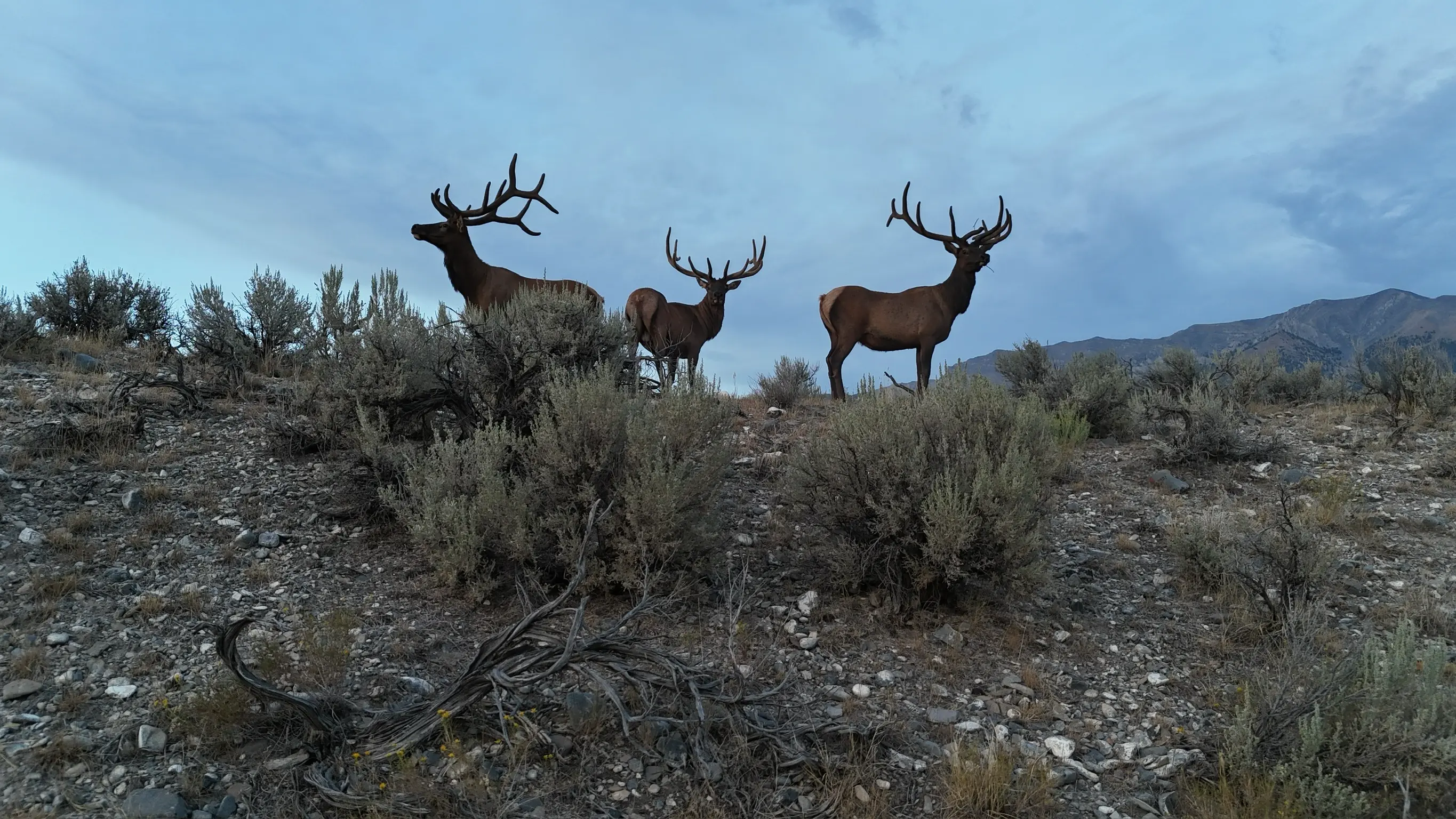
– Gradual return of bird and wildlife activity
These changes don’t happen overnight, but they follow a pattern tied directly to ecosystem recovery.

Healthy Land Attracts Wildlife
Wildlife doesn’t require perfect conditions. It requires functioning conditions. When land begins to restore, food sources become more available, and shelter and nesting opportunities increase. In addition, seasonal habitat diversity improves and ecosystem stability strengthens. The Importance of Regenerative Agriculture: Climate, Soil Health, Biodiversity, and its Socioecological Impact
In other words, wildlife returns when the land can support life again.
The Role of Soil Health in Rebuilding Habitat
Soil health is the foundation that determines whether an ecosystem can regenerate.
Healthy soil:
– Holds water more effectively
– Supports diverse plant communities
– Encourages beneficial microbial activity
– Creates resilience during drought or stress
When soil health improves, it sets off a chain reaction that supports every layer above it, including wildlife!
A Shift Toward Regenerative Solutions in Land Management
More farmers, ranchers, and land stewards are beginning to see that wildlife recovery and land productivity rise and fall together based on how the land is managed. This shift is driving a move toward regenerative practices that actively rebuild the conditions wildlife depends on.
Instead of treating conservation as land set-asides or restrictions, regenerative approaches focus on restoring function across the entire working landscape. That means:
– Rebuilding soil health as the foundation of ecosystem recovery
– Increasing plant diversity to support food webs and habitat structure
– Using adaptive land and grazing management to support natural regrowth cycles
– Treating the land as a living system that can continuously regenerate when properly managed
This is a practical shift already being applied on real farms and ranches, where improving soil and ecosystem function is leading to measurable returns of biodiversity and wildlife activity over time.

What Healthy Land Looks Like in Regenerative Agriculture
Understanding how to restore wildlife habitat isn’t always intuitive. It requires seeing how soil, plants, water, and livestock interact as one system.
That is where hands-on education becomes valuable.
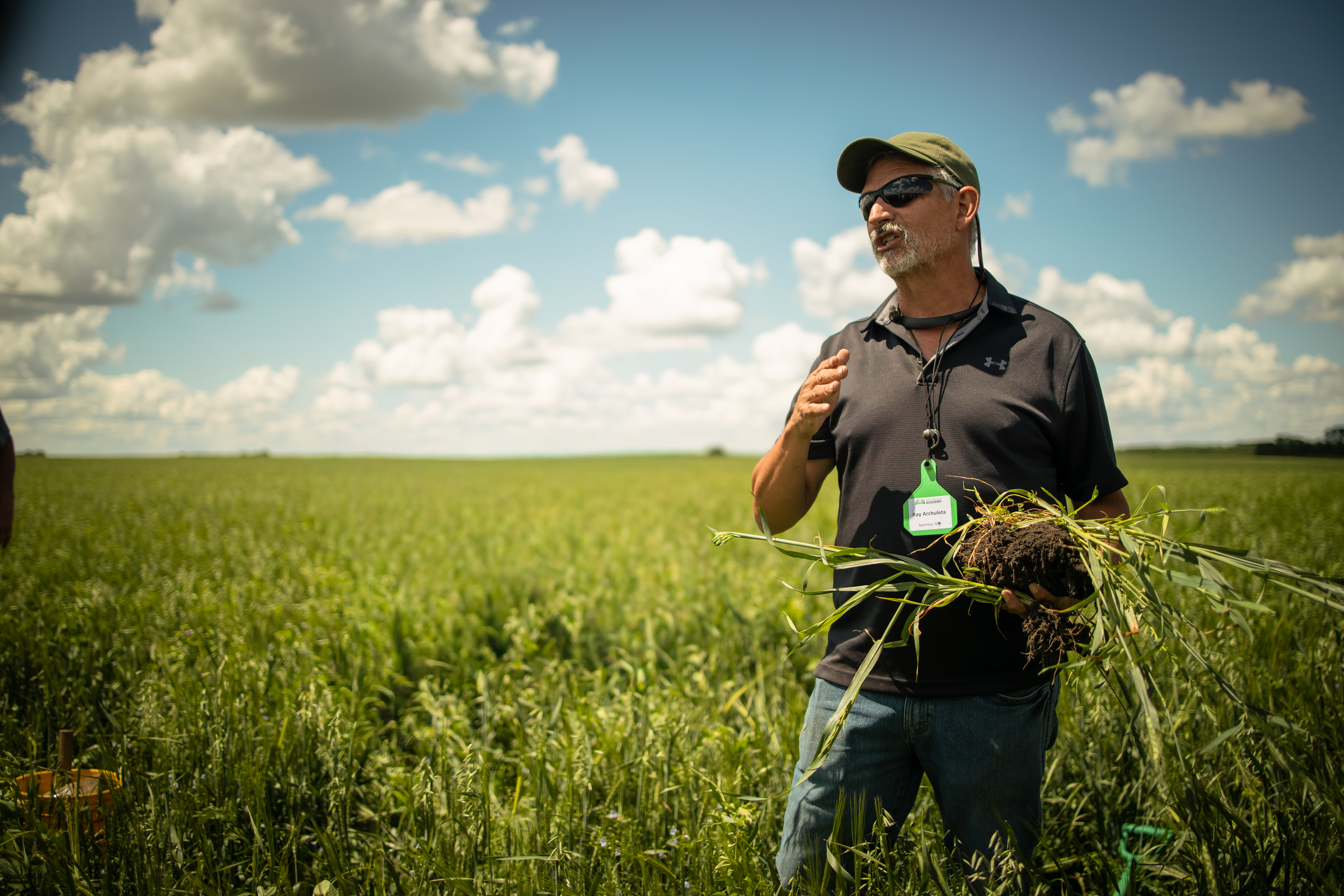
Programs like Soil Health Academy’s regenerative land stewardship training focus on helping landowners and producers observe these systems directly in the field. In our academy happening June 9-11, you’ll learn how to recognize healthy land function and how to rebuild it in practical, working environments.
Wildlife and Land Restoration
Wildlife is not disappearing because land is being used. It’s disappearing because many landscapes are losing the complexity that once supported life.
The encouraging part is this: when land function is restored, wildlife often begins to return on its own. Better land management doesn’t just change productivity, it changes the entire living system above and below the soil.
Soil Health Academy is here to help equip landowners with the knowledge they need to restore the land and cultivate it using regenerative practices. If you would like to donate to our cause, visit our donations page.


Sources:
Sher, Alam, et al. “Importance of Regenerative Agriculture: Climate, Soil Health, Biodiversity and Its Socioecological Impact.” Discover Sustainability, vol. 5, 2024, article 462, Springer Nature. https://doi.org/10.1007/s43621-024-00662-z
Préau, Clémentine, et al. “Habitat Connectivity in Agricultural Landscapes Improving Multi-Functionality of Constructed Wetlands as Nature-Based Solutions.” Ecological Engineering, vol. 182, 2022, article 106288, Elsevier, https://arxiv.org/abs/2207.03826?