




- September 25, 2026
How to Eat Healthier Without Spending a Fortune: 8 Practical Tips
Eating healthier doesn’t have to mean spending a fortune at the grocery store. While specialty health foods and certain premium products can come with a higher price tag, a nutritious diet can be built around simple, affordable foods that have been staples for generations.
Healthy eating on a budget is often less about buying the most expensive products and more about making thoughtful choices, planning ahead, reducing food waste, and understanding where our food comes from.
Here are eight practical ways to eat healthier without breaking the bank.
1. Build Your Meals Around Whole Foods
One of the simplest ways to practice affordable healthy eating is to focus on whole foods. These are foods that are minimally processed and can form the foundation of nutritious meals.
Affordable options can include:
- Beans and lentils
- Eggs
- Oats and other whole grains
- Potatoes and root vegetables
- Seasonal fruits and vegetables
- Frozen fruits and vegetables
- Nuts and seeds
You don’t need to fill your shopping cart with expensive specialty products to create nutritious meals. Simple ingredients can be combined in countless ways to make filling, balanced meals.
For example, beans, rice, seasonal vegetables, and a simple homemade sauce can create an inexpensive meal that provides protein, carbohydrates, fiber, and other important nutrients.
(Why is getting whole food meals important?)
2. Buy Seasonal and Locally Grown Foods
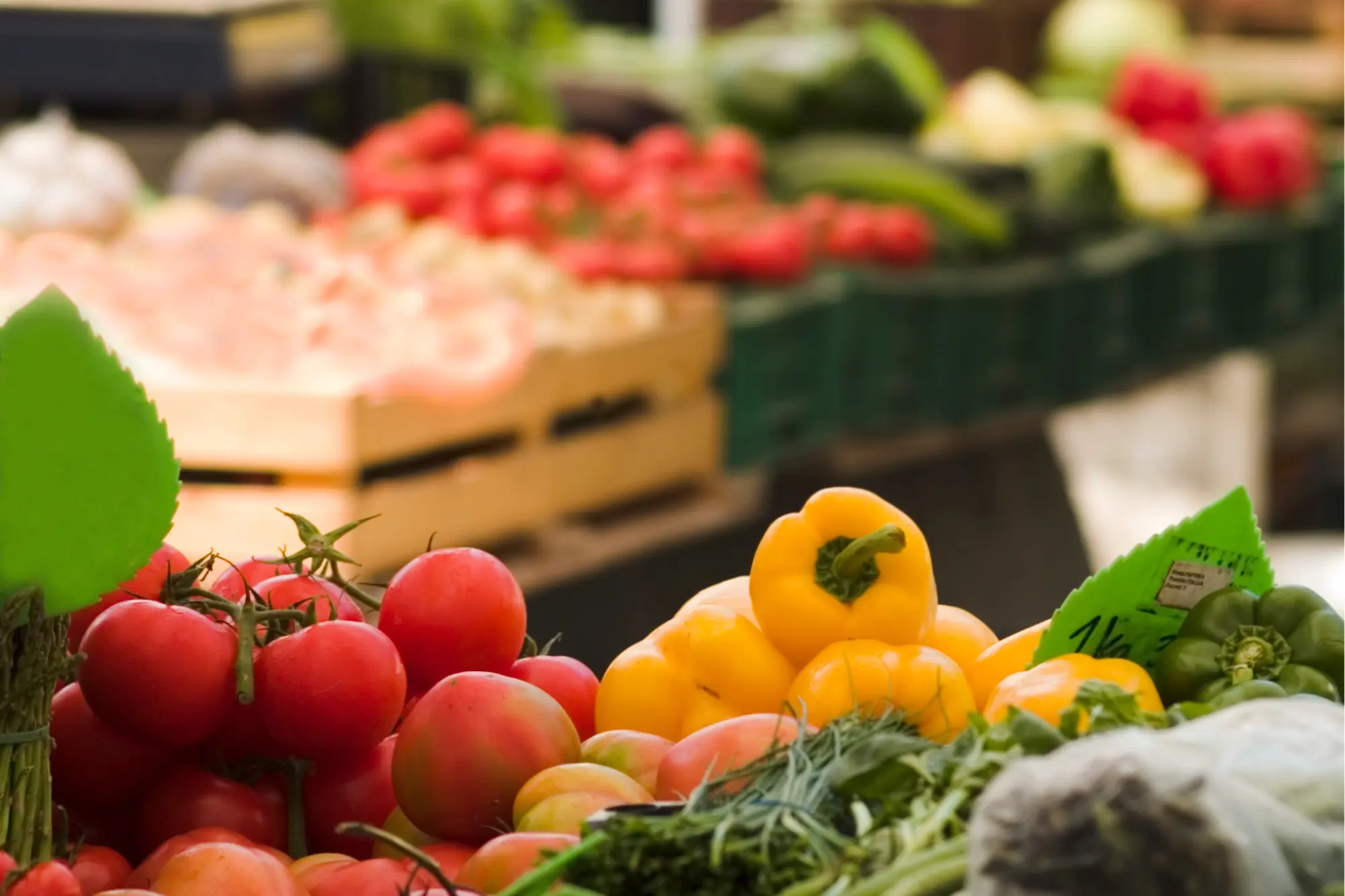
Shopping for seasonal produce can be another way to make healthy eating more affordable. When fruits and vegetables are in season, they may be more readily available and can sometimes be purchased at a lower price. (Why local produce is beneficial?)
Consider visiting a local farmers market, farm stand, or community-supported agriculture program. Buying directly from farmers can also give you a better understanding of how your food is grown and who is producing it.
Choosing locally grown food isn’t only about what’s on your plate. It can also help us think about the relationship between people, farms, communities, and the land that produces our food.
3. Plan Your Meals Before You Shop
One of the easiest ways to spend more money on food is to shop without a plan.
Before heading to the grocery store, take a few minutes to:
- Check what you already have at home.
- Choose several meals for the week.
- Make a shopping list.
- Plan meals around ingredients you can use more than once.
- Consider what foods need to be eaten first.
For example, a large bag of carrots could be used in a soup, roasted as a side dish, added to a grain bowl, or eaten as a snack.
Meal planning can help you purchase only what you need while making it easier to prepare healthy meals throughout the week. (Why meal prep is beneficial)
4. Don’t Overlook Frozen and Bulk Foods
Fresh produce can be wonderful, but it isn’t your only option.
Frozen fruits and vegetables can be convenient, have a long shelf life, and make it easier to keep nutritious ingredients available when fresh produce isn’t in season. (Why is frozen food good to have?)
Certain foods can also be economical when purchased in larger quantities. Foods such as oats, rice, beans, lentils, and some nuts and seeds can often be stored for extended periods when properly sealed.
The key is to purchase quantities you’ll actually use. A bargain isn’t a bargain if the food ends up in the trash.

5. Cook More Meals at Home
Cooking at home can give you greater control over both your ingredients and your budget.
Instead of relying on prepared meals or takeout, try making simple meals from basic ingredients. A pot of soup, a vegetable-filled stir-fry, homemade oatmeal, or a grain-and-bean bowl can be inexpensive ways to build nutritious meals.
Cooking at home also gives you an opportunity to experiment with different ingredients and discover foods you enjoy. (Why cooking more at home is beneficial?)
You don’t have to become an expert cook. Start with a few simple meals and build from there.
6. Reduce Food Waste
Eating healthier doesn’t mean buying more food. Sometimes it means making better use of the food you already have.
Food waste can add unnecessary expense to your grocery budget. Before throwing something away, consider whether it can be used in another meal.
You might:
- Freeze fruits or vegetables before they spoil.
- Turn leftover vegetables into soup.
- Use extra cooked grains in another meal.
- Save vegetable scraps for homemade stock.
- Repurpose leftovers into a new dish.
- Store fruits and vegetables properly to extend their freshness.
Reducing food waste saves money while also helping us recognize the resources required to grow, harvest, transport, and prepare our food.
7. Look Beyond the Price Tag
The price listed on a grocery-store shelf doesn’t tell the entire story of our food.
Every meal is connected to a much larger system involving farmers, ranchers, soil, water, plants, animals, and communities.
This is where soil health becomes an important part of the conversation.
Healthy soil supports productive agricultural systems and plays an important role in water infiltration, biodiversity, and the resilience of our landscapes. The way we manage agricultural land can influence these systems for years to come.
Regenerative agriculture focuses on farming and ranching practices that seek to improve the health and function of the land while producing food.
For consumers, learning more about how food is grown can be an important part of making informed decisions about what we eat and how we support our food system.
Healthy eating isn’t only about choosing foods that are good for us today. It can also encourage us to think about the health and resilience of the systems that produce our food.
8. Start Small
You don’t have to completely change your diet or grocery budget overnight. Small changes can add up.
Try cooking one additional meal at home each week. Buy a seasonal vegetable you’ve never tried. Plan your meals before going grocery shopping. Find ways to use leftovers instead of throwing them away. Visit a local farm or farmers market and learn more about how your food is produced.
As you become more comfortable with these habits, you can continue building on them.
The goal isn’t perfection. It’s becoming more intentional about the food you eat, the money you spend, and the agricultural systems you support. (Why you should eat organic?)
Healthy Eating Starts With Understanding Our Food System
Eating healthier without spending a fortune is possible when we look beyond expensive products and focus on simple, practical choices.
Whole foods, seasonal produce, meal planning, cooking at home, and reducing food waste can all help make healthy eating more manageable. At the same time, understanding where our food comes from gives us an opportunity to think about something even bigger: the health of the land that produces it.
Our food system begins with the soil.
At Soil Health Academy, we believe education can help people better understand the connection between healthy soil, regenerative agriculture, and resilient food systems. By learning how agricultural practices affect the land, water, and ecosystems around us, we can become more informed participants in the future of food and agriculture.
Education Empowers Regeneration
Healthy food, healthy farms, and healthy ecosystems are all part of a much larger picture.
Whether you’re a farmer, rancher, land steward, or simply someone interested in where your food comes from, learning more can be the first step toward meaningful change.
Explore Soil Health Academy’s Regenerative Agriculture education, Academies, and Workshops to learn more about the principles and practices that can help regenerate the health of our living and life-giving soil.